Common Pelvic Floor Issues in Athletes
- Stress incontinence, leaking with running, jumping, sneezing, or heavy lifting. Roughly 30% of female runners report it. Common, but not normal.
- Pelvic organ prolapse symptoms, pressure, heaviness, or a sensation of “something falling” with high-impact activity.
- Diastasis recti and core dysfunction, abdominal separation that fails to fully recover postpartum, leading to coning, doming, or low-back pain under load.
- Hip and SI joint pain, pelvic floor dysfunction frequently drives or amplifies hip, low-back, and sacroiliac symptoms.
- Chronic pelvic pain in male athletes, cyclists, lifters, and runners can develop pelvic floor tension that mimics prostatitis or chronic groin pain.
Sport-Specific Considerations
Running
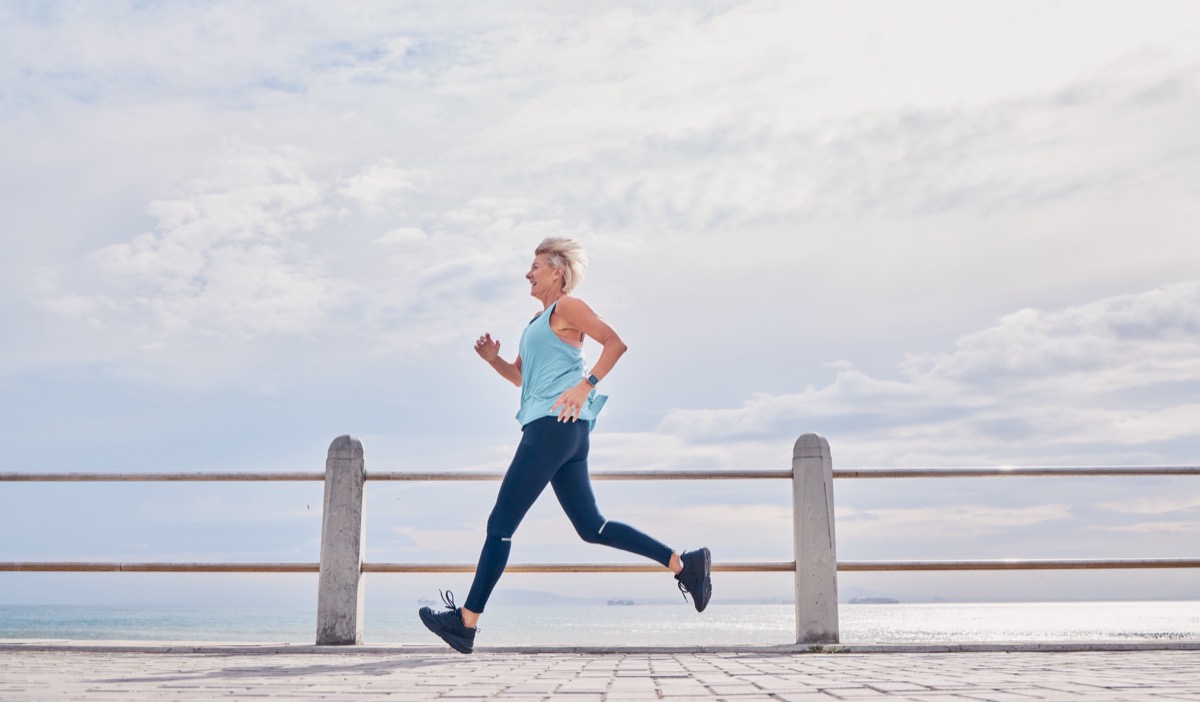
Repetitive impact loads the pelvic floor with every step. A return-to-running program after pregnancy, surgery, or injury should include pelvic floor screening, gait assessment, and a graded loading progression, not just a calendar-based timeline.
Strength Training and CrossFit
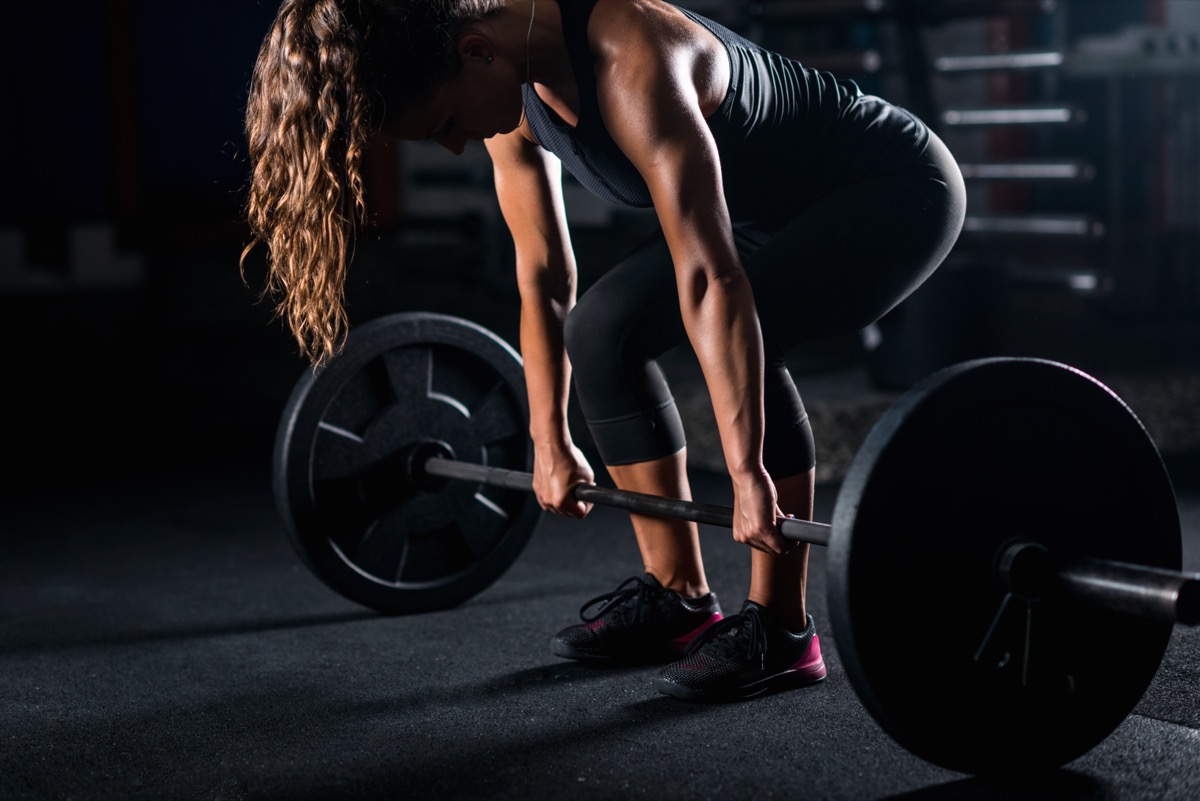
If you’re having difficulty with pressure management during lifting or heavy loads, such as bladder leakage or prolapse pressure, we can work with you on different strategies that can help.
Cycling
Saddle pressure can contribute to pelvic floor tension, perineal numbness, and male pelvic pain. Saddle fit, riding position, and pelvic tissue mobility all factor in. In addition to proper saddle fit and riding position, pelvic floor manual therapy all help provide relief.

Postpartum Return-to-Sport
The standard six-week PT visit gives medical clearance but is not an assessment of the musculoskeletal system. Return to Sport is individualized and based on your history, pregnancy, birth, healing, current ability, and goals. Pelvic Floor PT Screens for prolapse, diastasis, scar tissue, and overall physical ability and can guide you as you ramp up your load tolerance for your desired activity/sport.
What Treatment Looks Like for Athletes
- Movement assessment: how you load, breathe, brace, and absorb impact.
- Pelvic floor evaluation: palpation assessment for tone and pain, strength, coordination, ability to relax, and pressure management under real loading.
- Sport-specific programming: a progressive return-to-running, return-to-lifting, or return-to-jumping protocol, with clear milestones.
- Coordination with coaches: when relevant, we collaborate with your trainer or coach.
Athletes & Pelvic Floor PT FAQs
Do I need a referral?
No. Minnesota allows direct access, you can self-refer for physical therapy.
I leak when I run or jump. Is that just part of being a woman?
No. It’s common but it isn’t normal, and it isn’t something you have to live with. Pelvic floor PT can get you back in action without embarrassing bladder incontinence.
How soon after birth can I start?
As early as 4-6 weeks postpartum. Earlier is fine for breathing and gentle core work.
Do you treat male athletes?
Yes. We see male cyclists, lifters, and runners for chronic groin, perineal, and pelvic pain.
How is this different from my regular PT or CrossFit coach?
General orthopedic PTs and coaches are excellent for many things, but most don’t have the specialized training to assess the pelvic floor directly. We do.
Ready to Get Started?
Schedule your 60-minute evaluation with Dr. Bethany Hansen, DPT. No referral needed.
Bethany Hansen, PT, DPT
pelvichealth@bethanyhansenpt.com
Location:
Guided Health
7250 Metro Blvd # 100
Edina, MN 55439

Follow me on Instagram !